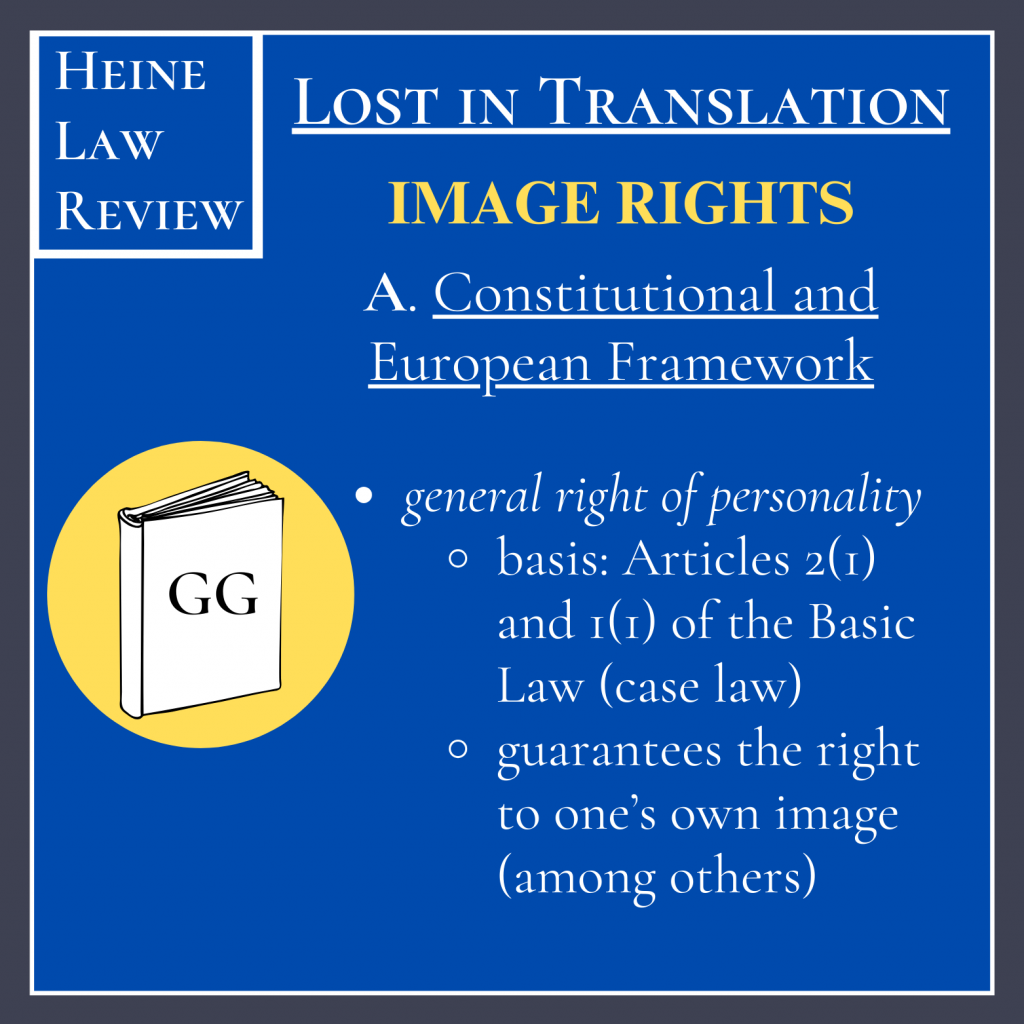
The regulation of the use of images by German law is partially pre-determined by the fundamental rights guarantees of the German constitution (the Grundgesetz). The general right of personality derived from Articles 1(1) and 2(1) protects, among other things, every person’s right to their own image.
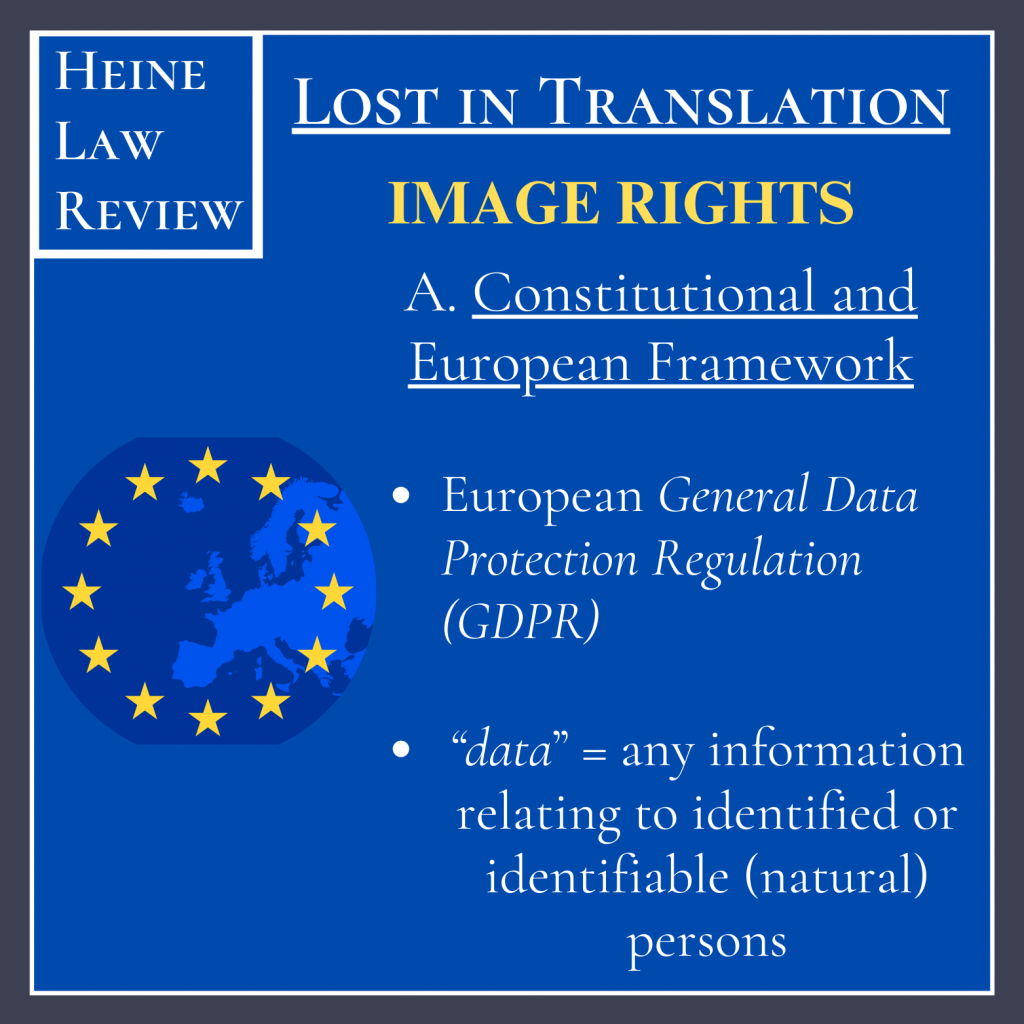
On the European level, images are subsumed under the European General Data Protection Regulation (GDPR), “data” in its sense including any information relating to identifiable natural persons.

On the level of ordinary (sub-constitutional) German law, one has to pay regard to the Law for the Protection of Images (Kunsturhebergesetz – KUG) and the Federal Data Protection Act (Bundesdatenschutzgesetz – BDSG).
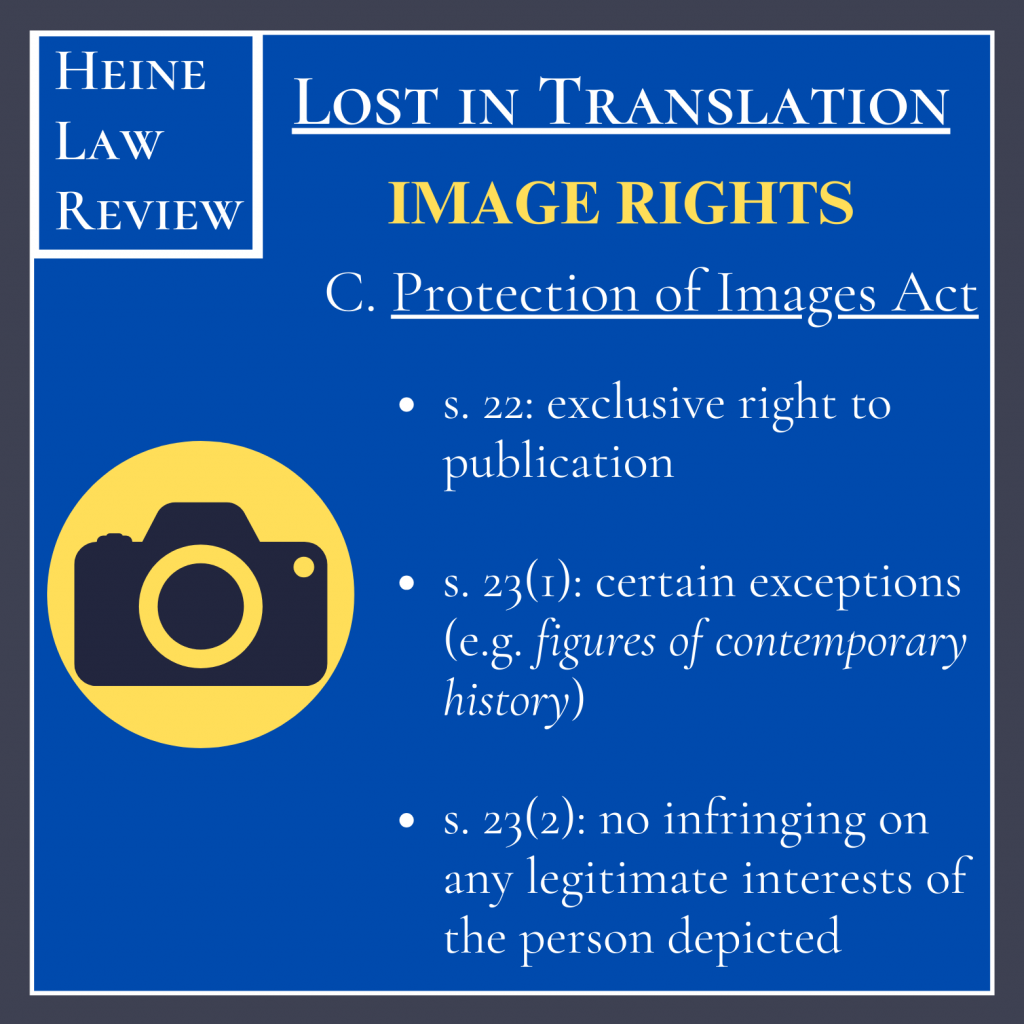
S, 22 of the KUG grants the depicted person the exclusive right of publication. Certain exceptions apply e.g. to figures of contemporary history according to s. 23(1) or, as per s. 23(2), if the legitimate interests of the person depicted are not infringed.
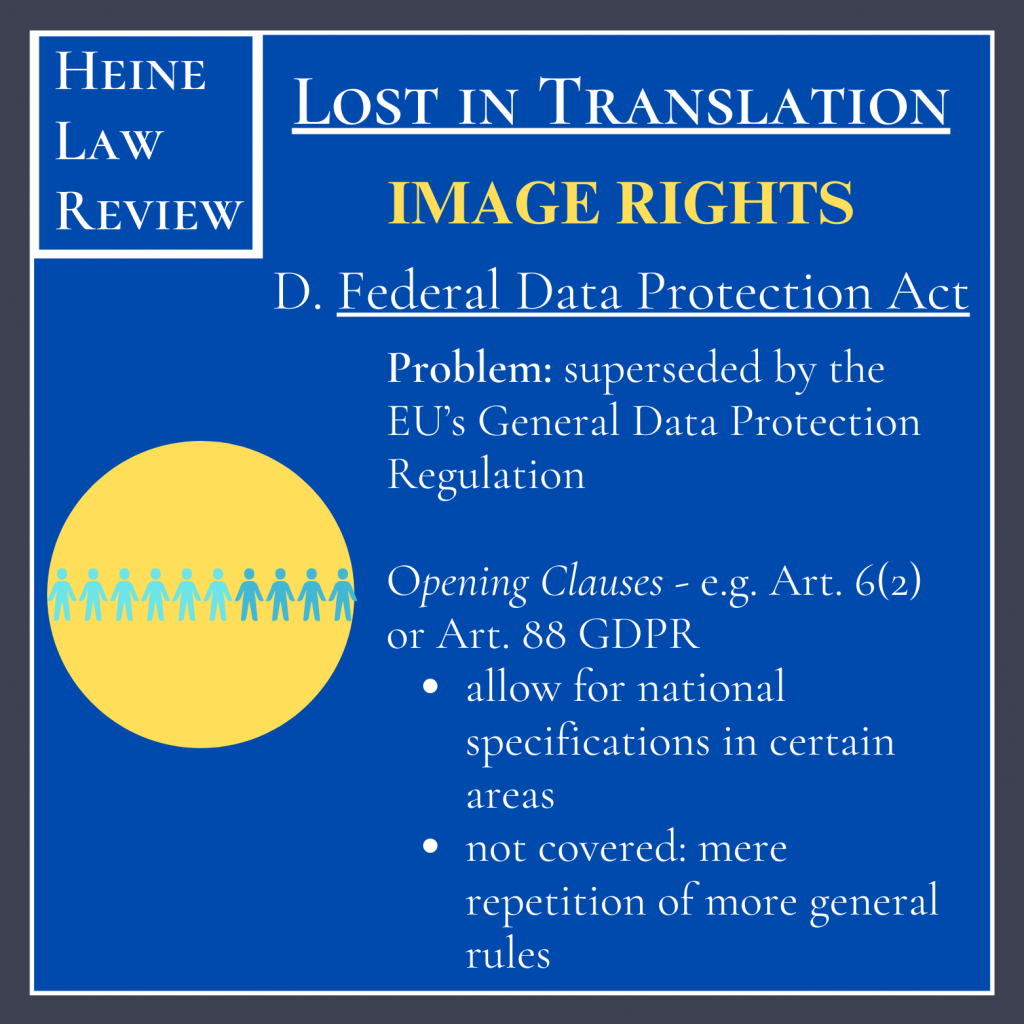
The BDSG is largely superseded by the directly applicable GDPR. However, certain opening clauses such as Art. 6(2) or Art. 88 GDPR allow for national specifications in certain areas, though not mere repetitions of more general rules.
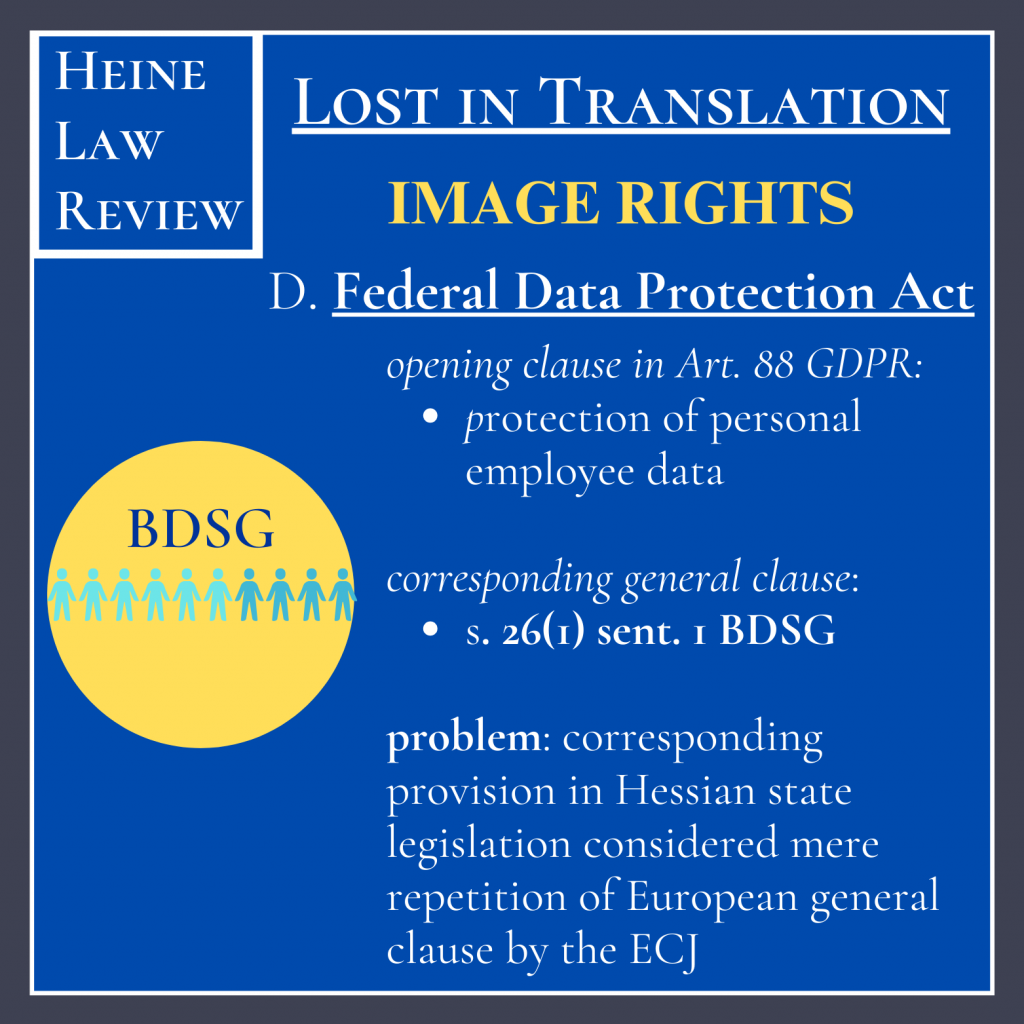
For example, the ECJ has held that state legislation in Hesse passed on the basis of s. 26(1) sent. 1 of the BDSG had essentially repeatsed the European general clause and was therefore in violation of the GDPR.